Myanmar ready to repatriate 5,000 refugees from Malaysia by sea

- সর্বশেষ আপডেট: সোমবার, ১০ আগস্ট, ২০২৬
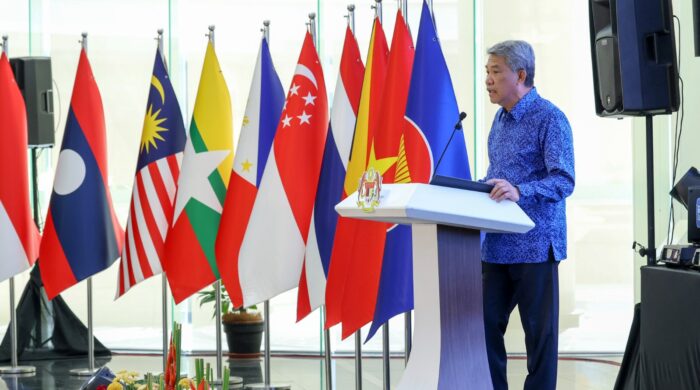
Myanmar has expressed readiness to repatriate around 5,000 of its nationals currently taking refuge in Malaysia by sea, but Malaysia says security guarantees and proper screening must come first.
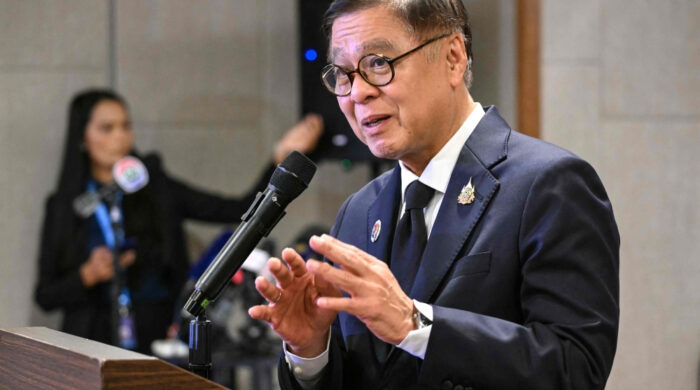
Malaysian Foreign Minister Datuk Seri Mohamad Hasan said the proposal was conveyed by his Myanmar counterpart during a recent meeting.
“When I met the new Foreign Minister in Myanmar, they expressed their readiness to bring back these 5,000 people by ship. But the issue is the safety of these 5,000 people,” he told reporters after attending the 59th ASEAN Day celebration here on Sunday.
“When we send them back, will they be safe or what will happen to them? That also needs to be considered,” he said.
Mohamad said the Malaysian authorities had already identified around 5,000 people for repatriation, although no specific timeframe had been fixed.
“There is no timeframe, but it needs to be done soon. It is up to them (Myanmar), and they need to conduct the screening,” he said.
He said Malaysia’s Foreign Ministry would act only as a facilitator after the Home Ministry and Myanmar authorities reached the necessary decisions.
The Home Ministry said Saturday that it expects to have preliminary data on Myanmar nationals seeking refuge in Malaysia by the fourth quarter of this year through the Refugee Registration Document (DPP) programme.
Home Minister Datuk Seri Saifuddin Nasution Ismail said the Immigration Department was collecting the data in cooperation with relevant agencies.
Mohamad stressed that any repatriation must ensure the safety and security of those being returned, warning that sending them back without adequate guarantees could result in them fleeing Myanmar again.
“The most important thing is that there must first be security within Myanmar itself so that these people are not sent back and then leave again. There is no point. That is what we want to see,” he said.
He also said the refugee crisis in Myanmar should not be viewed solely through the Rohingya issue, noting that people from other ethnic communities, including the Chin and Karen, were also among those seeking refuge.
“This is an internal problem of the country and we are not talking about Rohingya refugees. We are talking about refugees in various forms,” he said.
Mohamad said Malaysia viewed the crisis as a regional issue that must be addressed collectively under the ASEAN framework, stressing the importance of ASEAN centrality in dealing with the situation.
He said ASEAN’s principle of burden sharing should go beyond dividing responsibility for hosting refugees and include collective efforts to pressure Myanmar to end violence against its people.
“ASEAN is putting pressure on Myanmar to stop the violence against its people, so that there will be no more new refugees leaving.
“And those who are outside, not only in Malaysia but also in other countries including Bangladesh, can return,” he said.
Mohamad also stressed that the Five-Point Consensus must remain the core mechanism for ASEAN’s efforts to address the Myanmar crisis.
He said any changes to the consensus would have to be discussed and decided by ASEAN leaders.
He added that ASEAN foreign ministers had been tasked by the bloc’s leaders at their recent retreat in Cebu to assess the latest developments in Myanmar and determine the necessary steps, particularly on implementing the Five-Point Consensus.
“What we want to see is continued pressure on Myanmar to enforce or implement the consensus so that peace in Myanmar can be restored,” he said.