Malaysia labour market faces visa trade, middlemen concerns as Bangladesh recruitment resumes

- সর্বশেষ আপডেট: বৃহস্পতিবার, ২৭ আগস্ট, ২০২৬
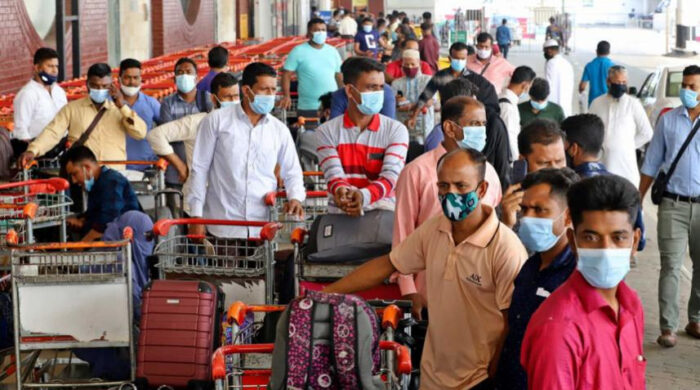
Concerns are mounting over the alleged activities of brokers and middlemen in Malaysia’s labour market as the recruitment of Bangladeshi workers is set to resume, with reports of financial dealings, visa trading and illegal hundi transactions threatening to undermine efforts to ensure a transparent and affordable recruitment process.
Several Bangladeshi recruiting agency owners, employers and people familiar with the recruitment process have alleged that a competition has emerged among intermediaries to secure job opportunities from Malaysian employers, allegedly involving payments and other financial benefits.
They fear such practices could disrupt the regulated recruitment process and ultimately push up the cost for Bangladeshi workers, depriving them of the benefits of the latest labour-market understanding between Bangladesh and Malaysia.
The agreement is expected to create opportunities for recruiting Bangladeshi workers at relatively lower costs. Labour-market stakeholders, however, are concerned that increased involvement of brokers and middlemen could prevent those benefits from reaching workers.
There are also allegations that some Bangladeshis who have long been living in Malaysia have entered the recruitment business by setting up companies in the names of their Malaysian wives or family members.
Some of them are allegedly approaching Malaysian employers to obtain recruitment quotas and then attempting to commercially exploit those quotas, according to people familiar with the matter.
Former military officer Nesar Uddin told PBN News that similar fraud had occurred during the previous calling-visa process, with some individuals allegedly using the title “Datuk Seri” in Malaysia to deceive Bangladeshi nationals and extort large sums of money.
He alleged that such activities had caused harassment and financial losses to both workers and employers.
There are also allegations that some intermediaries are competing to secure recruitment opportunities by offering bribes or financial incentives to officials or representatives of employer companies.
Such practices, stakeholders fear, could lead to an informal market for the buying and selling of recruitment opportunities or visas involving some recruiting agencies and intermediaries.
Another major concern is the alleged use of illegal hundi channels to transfer large sums of money from Bangladesh to Malaysia in the name of sending workers.
People familiar with the issue claim that such networks are active in areas of Kuala Lumpur including Bukit Bintang, the so-called Bangla Market and Masjid India, as well as in areas known as “Mini Dhaka”. Similar transactions are also allegedly taking place in Klang, Johor Bahru and Penang.
Labour-market stakeholders fear that large sums of money could be siphoned out of Bangladesh through illegal channels even before Malaysia’s labour market fully reopens to Bangladeshi workers.
However, the allegations have not been independently verified, and claims against any individual or organisation should not be treated as established facts without investigations by the relevant authorities.
Labour-market experts say transparency must be ensured at every stage of the recruitment process to prevent exploitation.
They suggest strictly enforcing the prescribed recruitment costs, preventing additional charges, ensuring that payments are made through formal banking channels and introducing mechanisms for employers to directly verify workers’ recruitment.
They also called for stronger coordination and monitoring by the relevant authorities in Bangladesh and Malaysia to curb illegal hundi transactions, bribery and visa trading.
Without effective safeguards, they warned, the benefits of reopening Malaysia’s labour market could end up in the hands of brokers and unscrupulous intermediaries rather than ordinary Bangladeshi workers.