Diplomatic Crisis in Kuala Lumpur Deepens, Raising Concerns for Bangladeshi Migrant Workers

- সর্বশেষ আপডেট: শুক্রবার, ১৬ জানুয়ারী, ২০২৬
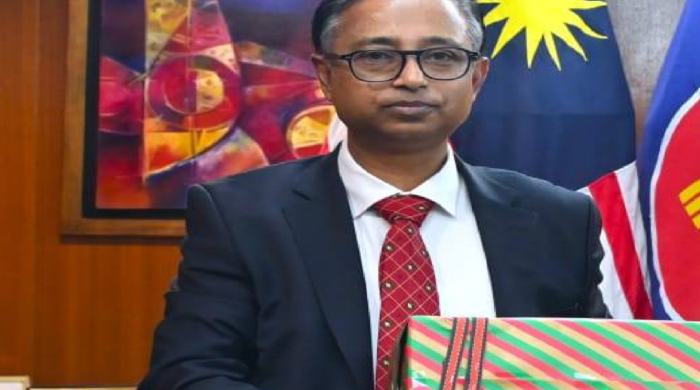
Kuala Lumpur: An unprecedented stalemate has emerged in the long-standing strategic and labor-dependent diplomatic relationship between Bangladesh and Malaysia. Even after three months in office, Bangladesh’s High Commissioner to Malaysia, Manjurul Karim Khan Chowdhury, has failed to formally present his credentials to the King of Malaysia. Diplomatic circles are viewing this delay as unusual and deeply concerning.
Amid this diplomatic impasse, allegations of covering up corruption, controlling the media, and silencing expatriate voices within the Bangladesh High Commission in Kuala Lumpur are growing stronger. According to the allegations, harassment of expatriates has not stopped; rather, a series of secret decisions are allegedly being taken to conceal these issues.
A series of investigative reports by local and international media have accused several officials of the Kuala Lumpur High Commission of serious corruption, suspicious links with foreign intelligence agencies, and actions that have damaged Bangladesh’s national image.
Trusted sources claim that after 5 August 2024, planned human chains were organized in front of the High Commission to internationalize allegations of minority persecution in Bangladesh, allegedly using Malaysian nationals. At the same time, there were attempts to detain innocent Bangladeshi workers by labeling them as having “militant links.” Analysts say these actions violate diplomatic norms and human rights principles.
Under mounting allegations and media pressure, the authorities were forced to recall former High Commissioner Shamim Ahsan, Deputy High Commissioner Khurshid Alam Khastagir, Press Secretary Sufi Maruf, and the Visa Counselor from Kuala Lumpur.
Diplomatic sources say this was the first major administrative action against long-standing irregularities within the High Commission.
According to reliable sources, when the process began to recall Mission Chief Pranab Kumar over alleged links to corruption cases against former Prime Minister and BNP Chairperson Begum Khaleda Zia, alleged involvement in planning post-July uprising human chains on minority persecution, and alleged financial irregularities with a foreign company named “Eskel,” High Commissioner Manjurul Karim Khan Chowdhury reportedly became extremely uneasy and fearful.
Sources further state that if the scope of the investigation expands, the top leadership of the High Commission could also come under scrutiny.
To prevent corruption issues from becoming public, it is alleged that a decision has been taken to restrict journalists’ access to the High Commission.
This decision was reportedly made in an emergency meeting attended by High Commissioner Manjurul Karim Khan, Mission Chief Pranab Kumar, Counselor Murshid Alam, and officials from the labor wing.
A senior official, speaking on condition of anonymity, said:
“The High Commissioner has clearly instructed that no official is to provide any information to journalists. Strict punishment has been threatened for anyone who disobeys this order.”
Questions are also being raised within the Ministry of Foreign Affairs and among serving diplomats abroad regarding Manjurul Karim Khan’s diplomatic competence. It is known that most of his promotions occurred during the Awami League government. After serving in Brunei and Iran, he was appointed to Malaysia.
A former diplomat who served in Iran, speaking on condition of anonymity, said:
“During his tenure, there was no notable progress in Iran–Bangladesh relations. As a diplomat, he was not effective.”
A Foreign Ministry official commented:
“Sending such an inefficient officer to an important and labor-dependent country like Malaysia is alarming for national interests.”
Experts believe that this diplomatic deadlock and internal weakness of the High Commission are further intensifying the crisis faced by hundreds of thousands of Bangladeshi workers in Malaysia. Malaysian local media almost daily publish reports of Bangladeshi nationals being detained and arrested.
They argue that once political stability returns at home, appointing a competent, transparent, and experienced diplomat to the Kuala Lumpur High Commission is now a moral and national obligation of the government. Otherwise, not only Bangladesh–Malaysia relations but also the future of expatriate Bangladeshis will become even more uncertain.