Malaysia welcomes US-Iran MoU, calls it a major step toward West Asia peace

- সর্বশেষ আপডেট: সোমবার, ১৫ জুন, ২০২৬
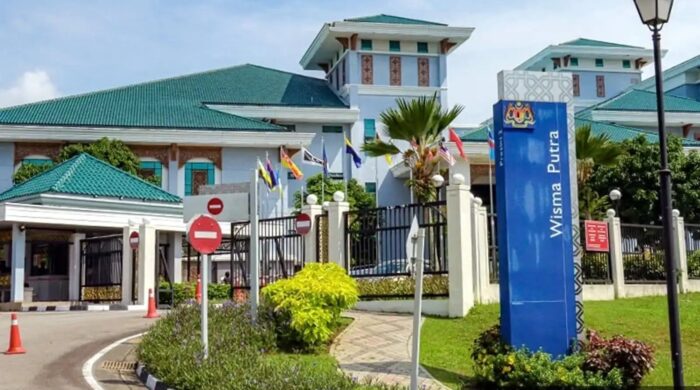
Malaysia on Monday welcomed the Memorandum of Understanding (MoU) between the United States and the Islamic Republic of Iran, describing it as a significant stride toward de-escalation in West Asia and a structured pathway to a comprehensive and lasting settlement.
In a press release issued from Putrajaya, Malaysia’s Ministry of Foreign Affairs expressed appreciation to Pakistan, Qatar, Egypt, Saudi Arabia, Türkiye and other regional countries for their roles in facilitating the diplomatic breakthrough, while acknowledging the “constructive engagement and political will” demonstrated by all parties involved.
The MoU, which is scheduled to be signed in Switzerland on June 19, comes as the two sides reached an interim agreement on June 15 to extend a shaky ceasefire and reopen the Strait of Hormuz, a critical waterway through which a significant share of global oil supply passes.
The 60-day agreement is also expected to pave the way for nuclear negotiations, with Iran committing not to acquire nuclear weapons and agreeing to resolve the standoff over its enriched uranium stockpile.
Kuala Lumpur said it looks forward to further negotiations toward a final agreement following the signing, and the verification of initial implementation measures including maritime security arrangements, phased sanctions relief, and other confidence-building steps.
Malaysia underscored that the measures outlined are expected to contribute to “a durable cessation of hostilities, enhanced regional stability, the safeguarding of freedom of navigation along the Strait of Hormuz, and strengthening of the global economy and energy security.”
“Lasting peace can only be achieved through dialogue, diplomacy and mutual respect,” the statement said, adding that Malaysia stands ready to support all constructive initiatives that contribute to the maintenance of international peace and security.
The US-Iran conflict, which intensified following US and Israeli airstrikes on Iran in February 2026, had effectively paralysed the Strait of Hormuz, the sole viable passage for most international oil tanker traffic, triggering global energy security concerns.