Anwar’s Pakatan Harapan suffers major setback in Negeri Sembilan

- সর্বশেষ আপডেট: রবিবার, ২ আগস্ট, ২০২৬
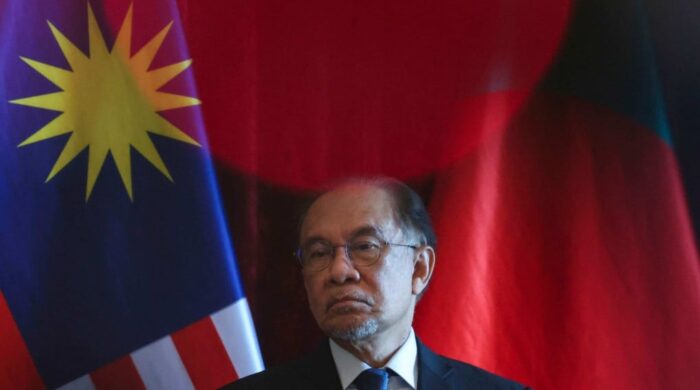
Malaysian Prime Minister Anwar Ibrahim’s Pakatan Harapan (PH) coalition has suffered a major electoral setback in Negeri Sembilan, raising fresh questions over the government’s political strategy and the future of its alliance with Barisan Nasional (BN).
BN emerged as the dominant force in Saturday’s state election, winning 18 of the 36 seats, while seven seats went to Perikatan Nasional (PN), giving the two blocs a combined 25-seat supermajority. PH secured only 11 seats.
The result marks a sharp reversal from the 2023 state election, when PH won 17 seats, BN 14 and PN five.
The outcome is particularly significant for Anwar’s unity government, as BN is both a political rival at the state level and a key federal ally in his coalition government.
Analysts said the result could force PH to reassess its strategy of reaching out to conservative Malay voters while rebuilding its traditional reformist narrative.
The election campaign was largely shaped by bread-and-butter concerns, including the rising cost of living, governance and political stability, reflecting voters’ concerns over issues directly affecting their daily lives.
The strong performance of BN, coupled with PN’s gains, could also alter the balance of political influence within the federal unity government, particularly as PH’s electoral position appears to be weakening.
Analysts have questioned whether continued cooperation with PH remains politically advantageous for BN, given the latter’s growing electoral strength.
The Negeri Sembilan result follows PH’s poor performance in recent state polls, adding to pressure on Anwar ahead of the next general election, which is due by February 2028.