Malaysia’s anti-graft academy eyes bigger global role, expands integrity training

- সর্বশেষ আপডেট: শুক্রবার, ১৭ জুলাই, ২০২৬
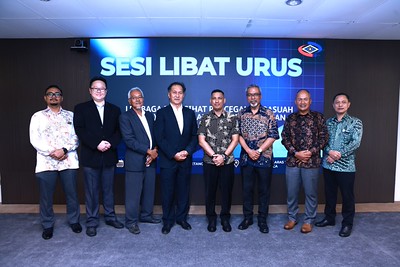
The Malaysian Anti-Corruption Academy (MACA) is strengthening its role as the country’s leading anti-corruption training and excellence centre by enhancing the capabilities of anti-graft officers and expanding training, research and capacity-building programmes for local and international organisations.
Deputy Chairman of the Malaysian Anti-Corruption Commission (MACC) Anti-Corruption Advisory Board (LPPR), Mohd Kassim Noor Mohamed, said the board fully supports MACA’s efforts to improve the competency of MACC officers while broadening strategic cooperation at the national and international levels.
Representing LPPR Chairman Tan Sri Mohamad Salim Fateh Din during an engagement session at the academy in Kuala Lumpur on Thursday, he said increasingly sophisticated forms of corruption require officers to continuously upgrade their knowledge, professional skills and expertise in emerging technologies and investigative techniques.
“MACA is not merely a training centre but a strategic professional development institution that produces competent, ethical and forward-thinking officers who are prepared to face future challenges,” he said.
MACA Senior Director Mohamad Zamri Zainul Abidin said the academy is working towards becoming an internationally recognised anti-corruption training institution through expanded capacity-building initiatives and strategic partnerships.
He said MACA is seeking international certification for its Certified Integrity Officer (CeIO) programme before opening it to participants from abroad as part of Malaysia’s efforts to promote its expertise in integrity and anti-corruption.
The academy is also reviewing and updating its investigation training modules to keep pace with evolving corruption trends and the growing demands of law enforcement.
Mohamad Zamri added that MACA has secured a grant from Malaysia’s Ministry of Foreign Affairs to organise the Executive Leadership Training on Anti-Corruption programme for participants from strategically important developing countries, aimed at strengthening international cooperation in the fight against corruption.
During the engagement session, LPPR members proposed expanding MACA’s anti-corruption training to government agencies, the private sector and international participants.
They also recommended organising conferences on the impact of corruption to promote knowledge-sharing and public awareness, while encouraging MACA to assist ministries and high-risk agencies in strengthening governance through training to support the implementation of the Organisational Anti-Corruption Plan (OACP).